


Microsoft 365 was down for almost 24 hours: a lesson on relying on one platform
A global outage on 12 to 14 November took email and calendars away from millions of workers. At Kayreach, meetings and team conversations kept running on Zoom. Here is what happened, and what we take from it.
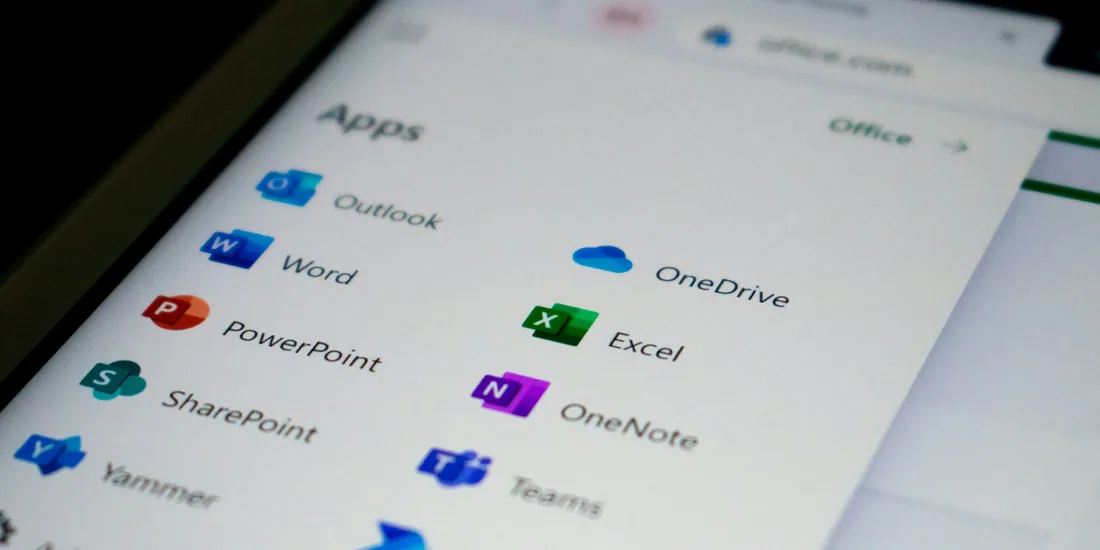
On Friday, 13 November 2026, many offices in Southeast Asia started the day without email. Microsoft 365 was in the middle of a global outage: Outlook would not open, meeting invites did not arrive and calendars were empty. In Indonesia, Kompas Tekno reported that user reports peaked at about 08.30 Jakarta time, just as the working day began.
How long did it last, and what was affected?
Microsoft’s final record puts the impact at almost 24 hours: from 11.20 am Eastern Time on Thursday 12 November to 11.10 am on Friday 13 November. All services were declared restored on Saturday 14 November. Reports came from more than 70 countries, for a service used by about 430 million people.
- Outlook and Exchange Online were hit hardest: mailboxes would not open and email delivery was delayed
- Microsoft Teams: calls, meetings and chat mostly kept working, but calendars, scheduling and meeting invites failed. Some users in Indonesia also reported that they could not connect to meetings
- Copilot, Planner, To Do and other features that depend on email were disrupted too
Microsoft apologised and said the cause was not a cyberattack. It traced the outage to an old defect in its network systems that surfaced during maintenance and a change in traffic.
An expensive "day off"
On social media the outage quickly became a meme: a day without email was compared to a public holiday. Funny, but the bill is real. Research firm Anderson Economic Group estimated the lost productivity at about US$7 billion. Hospitals in the UK postponed some services, courts in several countries moved deadlines, and some companies delayed their financial results.
For sales, project and customer service teams, a day without email and calendars means late quotations, cancelled meetings and customers waiting for an answer.
That day at Kayreach
Like many companies, Kayreach uses Microsoft 365 for email. Our main communication platform, however, is Zoom. That day our internal meetings, customer meetings and team conversations ran as usual, and so did several of our administrative automations.
As a system integrator, our business has to keep running whatever happens. That is why we deliberately do not put all our communication and productivity in one service.
Quote from Nafiudin Ahmad, Director of Kayreach System.
The lesson is not about brands
No cloud service is immune to outages, including the ones we use. We build Microsoft Teams rooms for customers ourselves, and that remains a good choice. The lesson is elsewhere: when one service holds email, calendar, meetings, chat and documents at once, one outage stops everything.
- keep meetings and telephony on a different platform from email, so that one of them stays up
- prepare a backup way to reach your team and customers, and make sure everyone knows it
- choose meeting room devices that can join more than one platform
- test the plan before you need it, not during an outage
Want communication that keeps running when another service is down?
Kayreach is the region’s first Zoom Platinum Partner, and we use Zoom for our own work every day. If you would like to know how we set it up, and how a similar setup can run alongside Microsoft 365 in your organisation, talk to our team. We are happy to share what we use.
Ask about the Zoom setup we use